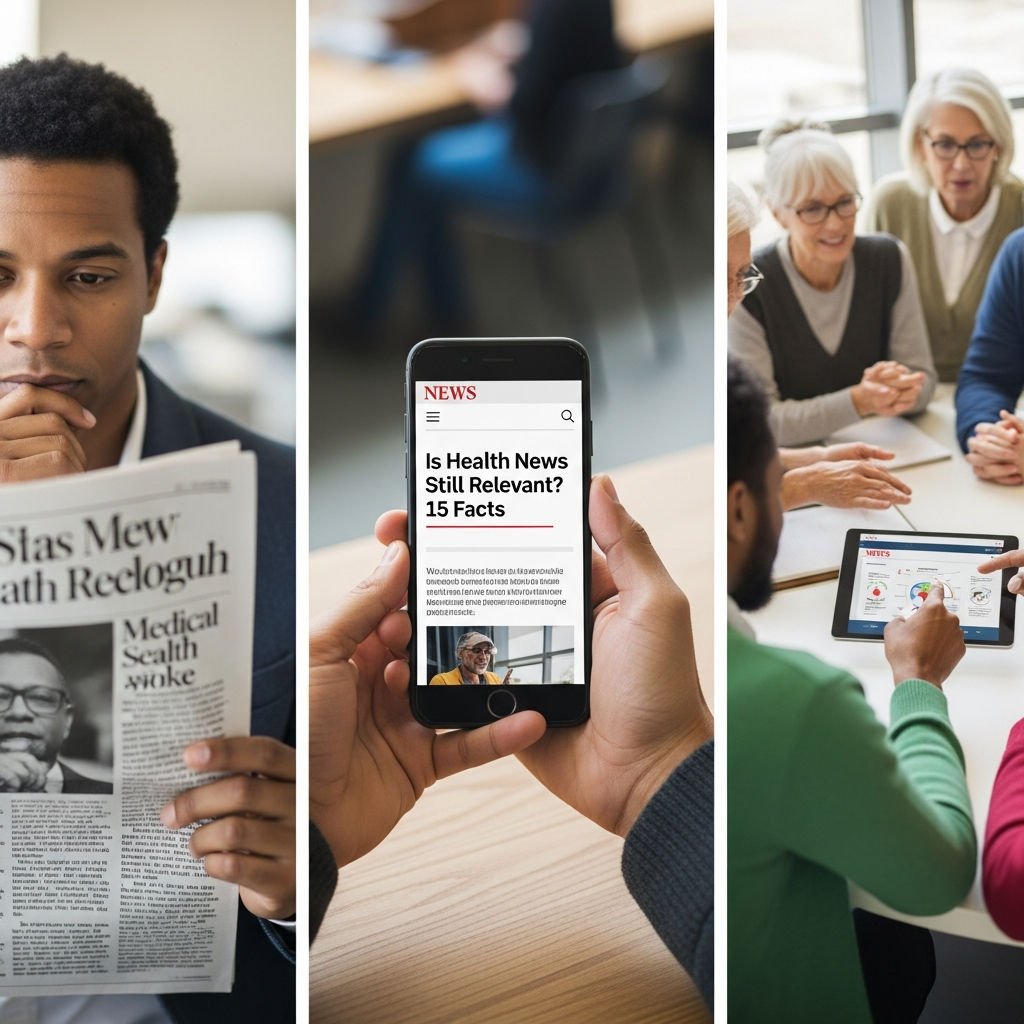
Is Health News Still Relevant? Exploring the Evolution of Medical Journalism
In an era dominated by viral TikTok trends, “Dr. Google,” and AI-generated wellness advice, a critical question arises: Is traditional health news still relevant? With the sheer volume of information available at our fingertips, the distinction between evidence-based reporting and anecdotal influencer content has become increasingly blurred. However, the importance of accurate health news has never been higher.
Medical journalism serves as the bridge between complex laboratory findings and the general public. While the medium has shifted from morning newspapers to social media feeds, the core necessity—interpreting data to improve human lives—remains a pillar of modern society. Below, we explore the landscape of medical reporting through 15 essential facts that prove why health news is more relevant today than ever before.
15 Facts About the Relevance and Impact of Health News
1. High Consumer Demand for Health Information
Despite the rise of social media, searches for health-related topics remain among the most frequent activities online. According to various studies, over 70% of adults look for health information online before or after visiting a doctor. This high demand underscores the need for professional journalists to provide context to these searches.
2. The Rise of Medical Misinformation
One of the strongest arguments for the relevance of health news is the “infodemic.” Misinformation regarding vaccines, “miracle” cures, and fad diets spreads six times faster than the truth on social platforms. Credible health news outlets act as a necessary defense mechanism, debunking myths with peer-reviewed data.
3. Explaining Rapid Scientific Advancements
Science is moving at a breakneck pace. From CRISPR gene editing to the development of mRNA technology, the average person needs specialized reporters to translate high-level biological concepts into understandable, actionable information.
4. Influencing Public Policy
Health news doesn’t just inform individuals; it shapes legislation. Reporting on the opioid crisis, the cost of insulin, and hospital safety standards has historically led to government investigations and new laws that protect patient rights and safety.
5. Promoting Preventative Care
The healthcare industry is shifting from “sick care” to “preventative care.” Health news plays a vital role in this transition by educating the public on screenings, lifestyle changes, and early warning signs of chronic diseases like diabetes and heart disease.
6. The Democratization of Health Knowledge
In the past, medical knowledge was gatekept by elite institutions. Today, health news provides everyone—regardless of their background—access to information about the latest treatments and clinical trials, leveling the playing field for patient advocacy.
7. Destigmatizing Mental Health
The global conversation around mental health has been significantly driven by consistent media coverage. By reporting on depression, anxiety, and neurodiversity, health news has helped reduce the stigma that once prevented millions from seeking help.
8. Tracking Global Health Security
As seen during the COVID-19 pandemic, real-time health news is a matter of national security. Journalists provide essential updates on virus mutations, transmission rates, and international travel restrictions, keeping the public safe during crises.
9. Highlighting Health Disparities
Health news brings attention to the inequities within the medical system. By reporting on how factors like race, zip code, and income affect health outcomes, journalists hold institutions accountable and advocate for more equitable healthcare delivery.
10. Navigating the AI Revolution in Medicine
Artificial Intelligence is currently transforming diagnostics and drug discovery. Health news is essential for discussing the ethical implications, benefits, and potential risks of integrating AI into the patient-doctor relationship.
11. Empowering the “Expert Patient”
Today’s patients are more informed than ever. Health news provides them with the vocabulary and knowledge needed to engage in “shared decision-making” with their physicians, leading to better personalized care plans.
12. Monitoring the Pharmaceutical Industry
With drug pricing and clinical trial transparency being major public concerns, health journalism serves as a watchdog. It ensures that pharmaceutical companies remain transparent about side effects and the efficacy of new medications.
13. Connecting Climate Change to Human Health
Modern health news increasingly focuses on the intersection of the environment and medicine. From the impact of microplastics on the human body to how rising temperatures affect respiratory health, this reporting is vital for future planning.
14. Providing Context for “Biohacking” and Longevity
The “longevity” industry is currently worth billions. Health news helps consumers distinguish between scientifically backed longevity protocols (like exercise and nutrition) and expensive, unproven supplements marketed by “wellness” influencers.
15. Economic Impact on Families
Health news often covers the “business of health,” including changes to insurance laws, Medicare, and out-of-pocket costs. This information is crucial for family financial planning and navigating the often-confusing landscape of medical billing.
How to Identify Credible Health News
With so much noise in the digital space, it is essential to know how to distinguish high-quality health journalism from clickbait. Not all health news is created equal. To ensure you are consuming relevant and accurate information, follow these guidelines:
- Check the Source: Does the article cite peer-reviewed journals like The Lancet, JAMA, or The New England Journal of Medicine?
- Look for Expert Quotes: Credible health news should feature interviews with medical doctors or PhD researchers who are unaffiliated with the product being discussed.
- Beware of “Cure-All” Language: Real science is usually incremental. Be skeptical of articles that promise a “miracle cure” or use sensationalist headlines.
- Verify the Date: Medical advice changes rapidly. Ensure the information you are reading is recent or has been updated to reflect the latest guidelines.
- Investigate the Funding: Check if the study mentioned was funded by a company that stands to profit from the results.
The Future of Health Journalism
As we move further into the decade, health news will likely become even more personalized. We are seeing a shift toward niche reporting—news specifically for people with certain genetic markers or chronic conditions. Furthermore, the integration of multimedia, such as medical podcasts and data-driven interactive graphics, is making complex information more digestible.
While social media algorithms may prioritize engagement over accuracy, the enduring relevance of health news lies in its commitment to the truth. In a world where health choices can be a matter of life and death, the role of the professional medical journalist is not just relevant; it is indispensable.
Conclusion
Is health news still relevant? Absolutely. It has evolved from a simple column in a newspaper to a multi-faceted ecosystem that saves lives, drives policy, and empowers patients. By staying informed through credible health news sources, you aren’t just keeping up with the headlines—you are taking control of your long-term well-being.
To stay truly healthy in the digital age, we must be as selective about the information we consume as we are about the food we eat. Seek out quality, demand evidence, and use health news as a tool for a longer, healthier life.